How to Visit Seongsu-dong as a Foreign Visitor: Getting There, Paying, and Not Getting Lost
Last verified: July 19, 2026
Seongsu-dong is the neighborhood everyone in Seoul is talking about right now. Getting there is easy — Line 2 to Seongsu or Ttukseom, or the Suin-Bundang Line to Seoul Forest. The part that actually trips people up is paying for the subway when your card gets rejected at the gate, and finding the pop-ups once you're wandering the alleys. This page covers both.
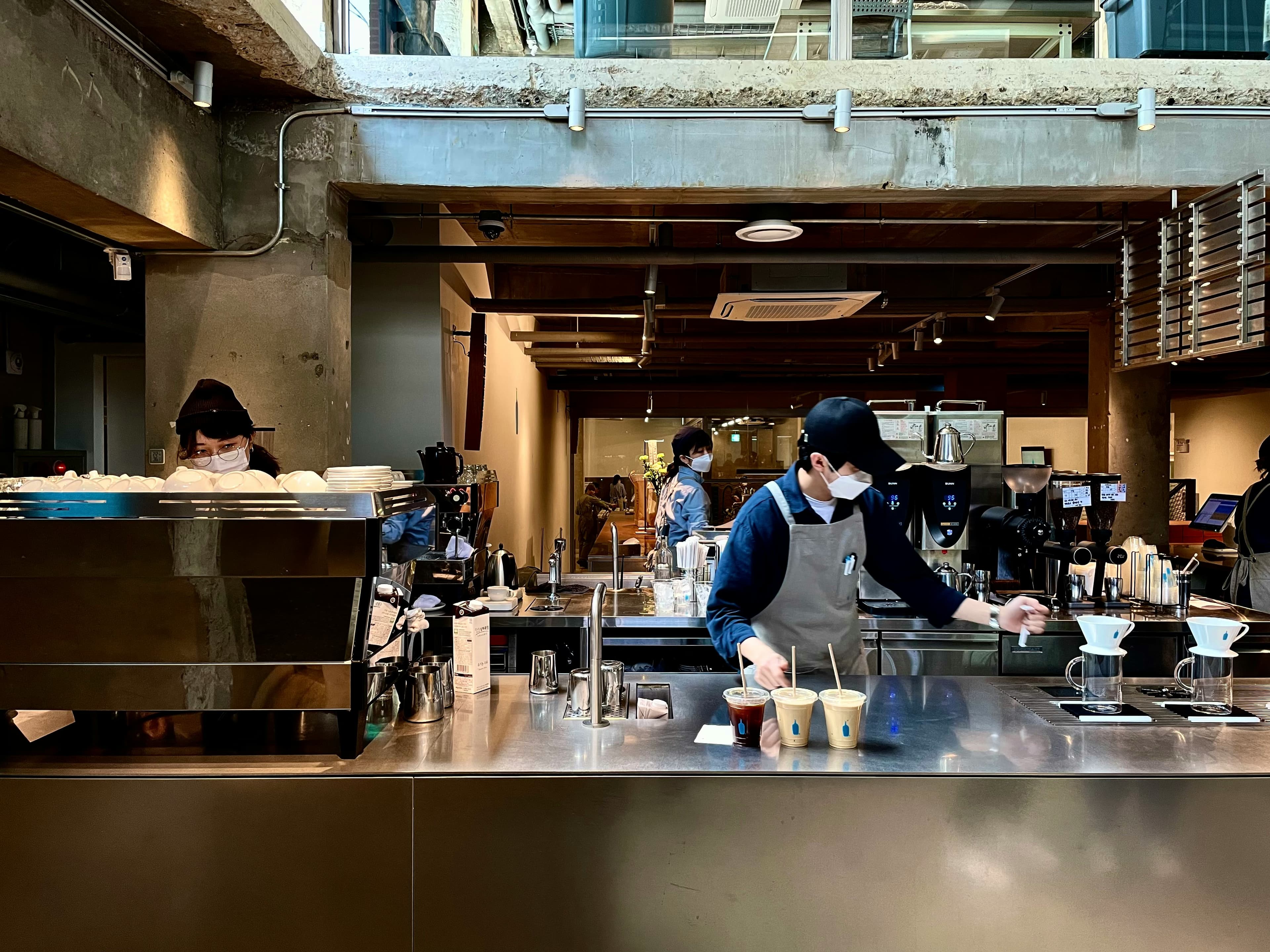
Photo: Unsplash
Seongsu-dong is the neighborhood everyone in Seoul is talking about right now. Getting there is easy — Line 2 to Seongsu or Ttukseom, or the Suin-Bundang Line to Seoul Forest. The part that actually trips people up is paying for the subway when your card gets rejected at the gate, and finding the pop-ups once you're wandering the alleys. This page covers both.
Seongsu — often called the "Brooklyn of Seoul" — used to be a district of shoe factories and print shops. As of 2026 it's the city's center of pop-up stores, warehouse cafes, and K-beauty flagships, and it pulls in crowds of locals and visitors every weekend.
Here's the thing most guides skip: they'll tell you what to see in Seongsu, but not how a first-time visitor without a Korean phone number or Korean bank card actually gets there and pays for things. That's the gap this page fills.
Who this is for
First-time visitors staying somewhere else in Seoul (Myeongdong, Hongdae, Gangnam) who want to spend an afternoon in Seongsu.
Travelers without a Korean phone number, Korean bank account, or prior experience with Korean transit and payment systems.
Anyone who's already been rejected once at a subway gate and wants to not have it happen again.
If you just landed and haven't checked into your hotel yet — drop your bags first. Seongsu is a day-out neighborhood, not a place you arrive at with a suitcase.
Getting to Seongsu by subway
Three stations put you in the neighborhood, depending on which side you want.
Seongsu Station (Line 2) — the main entrance. Best for the cafe-and-pop-up core around Seongsu-dong.
Ttukseom Station (Line 2) — one stop over, closer to the western side and Seoul Forest.
Seoul Forest Station (Suin-Bundang Line) — for Seoul Forest park and the Seoul Forest side of the neighborhood.
Line 2 is Seoul's loop line, which makes Seongsu unusually easy to reach from several major areas with no transfer needed.
From Hongdae (Hongik Univ. Station, Line 2): direct, roughly 25 minutes.
From Myeongdong / City Hall (Line 2): direct, around 15–20 minutes.
From Gangnam (Line 2): direct, around 20 minutes.
From Jamsil / Lotte World (Line 2): direct.
Not sure which side to aim for? Seoul Forest side (Ttukseom / Seoul Forest Station) is greener and calmer; Seongsu Station side is denser with shops and pop-ups.
The payment wall: why your card won't open the gate
This is the moment that catches almost everyone. You walk up to the subway gate, tap your Visa or Mastercard on the reader, and nothing. The turnstile stays shut.
Korea is one of the most cashless countries on earth, but the transit gates read a domestic card chip that your foreign card doesn't have. Locals just tap a Korean credit card or phone. Visitors can't — not yet.
WOWPASS is the option most visitors land on. It's a prepaid card built for tourists that the Korean network treats as a domestic card, so it works at the gates (and at shop terminals) where your Visa gets rejected. It holds two balances on one card: a spending balance for cafes and stores, and a T-money balance for transit. Card fee is around ₩5,000, and you load it with foreign currency at kiosks or top up the transit side through the app.
T-money (the standard transit card) works everywhere too, but topping it up is cash-only at most convenience stores unless you're on Android with the right app.
Newer options exist — Climate Card tourist passes for unlimited Seoul rides; subway kiosks now take overseas cards for pass purchases with a ~3.7% fee as of March 2026. For a single Seongsu day trip, a tapable prepaid card is the simplest path.
For reference, the base Seoul subway fare is ₩1,550 (as of the June 2025 increase), so you're not loading much for one afternoon.
Cafes and pop-up stores in Seongsu themselves are mostly fine with foreign cards — they're modern businesses running normal card terminals. The rejection problem shows up at unmanned points: subway gates, some self-order kiosks, and small market stalls. A prepaid card plus a little cash covers those.
You'll need data to find anything
Seongsu is a maze. Warehouses turned into stores, pop-ups down unmarked alleys, entrances that look like loading docks. Google Maps is famously unreliable for walking directions in Korea — locals use Naver Map or Kakao Map, and both need a data connection.
If you don't have a Korean SIM, a travel eSIM is the low-friction fix: you install it before you fly, land with data already working, and never touch a physical SIM. No Korean phone number required for a data-only eSIM.
Note: a data-only tourist eSIM gives you internet, not a Korean phone number — so it won't pass Korean identity verification. For navigating Seongsu, data is all you need. Use code TAILWIND15 for 15% off Nomad eSIM.
The pop-up reservation catch
Some of the most hyped Seongsu pop-ups — limited brand collabs, ticketed exhibitions — use Naver reservation, which is largely Korean-only and sometimes asks for a local phone number. A few workarounds.
Check whether the pop-up also takes walk-ins — many do, especially on weekdays.
Look for the brand's global Instagram; big collabs often post an English booking route or a separate walk-up line.
If a reservation is truly locked behind Korean verification, aim for a weekday morning visit instead of a weekend, when queues are shortest anyway.
Good to know: the big anchor spots (Olive Young N Seongsu, Gentle Monster's HAUS NOWHERE, Common Ground near Konkuk Univ.) are open walk-in, no reservation needed.
Quick orientation once you arrive
Not a full cafe list — just enough to point yourself.
Seongsu Station side: densest cluster of cafes, indie fashion, and pop-ups. Start here if you're here to shop and browse.
Seoul Forest side (Ttukseom / Seoul Forest Station): the park, plus D Tower Seoul Forest. Better if you want a slower, greener afternoon.
Wear comfortable shoes. It's a walking neighborhood, and the good stuff is spread across alleys.
FAQ
How do I get to Seongsu-dong?
Take Seoul Subway Line 2 to Seongsu or Ttukseom Station, or the Suin-Bundang Line to Seoul Forest Station. From Hongdae, Myeongdong, or Gangnam it's a direct ride on Line 2 with no transfer.
Why doesn't my credit card work at the subway gate?
Korean transit gates read a domestic card chip that foreign Visa/Mastercard cards don't carry. Use a prepaid transit card such as WOWPASS or T-money instead.
Do I need cash in Seongsu?
Mostly no — cafes and stores take cards. Carry a small amount (₩20,000–30,000) for market stalls or the occasional cash-only spot.
Do I need a Korean SIM to visit Seongsu?
Not a SIM specifically, but you do need mobile data to use Naver Map or Kakao Map. A data-only travel eSIM works and needs no Korean phone number.
Is Seongsu good for a half day?
Yes. An afternoon is enough to cover one side. Give it a full day if you want both the Seongsu Station cluster and the Seoul Forest side.
Korea Tailwind may earn a commission from some links on this page, at no extra cost to you. We only recommend options we'd tell a friend to use.
← All articles